

Quick answer
Cairns barrier reef snorkeling tours depart daily between 7:00 and 9:00 AM, with most operators offering full-day trips to outer reef pontoons or moored platforms 90 minutes offshore. Tour durations range from six to eight hours, and morning departures typically deliver calmer water and sharper visibility. Operators are charged per passenger rather than a site entry fee, which remains at zero. Seasonal conditions between May and October provide the clearest water and lowest stinger risk.
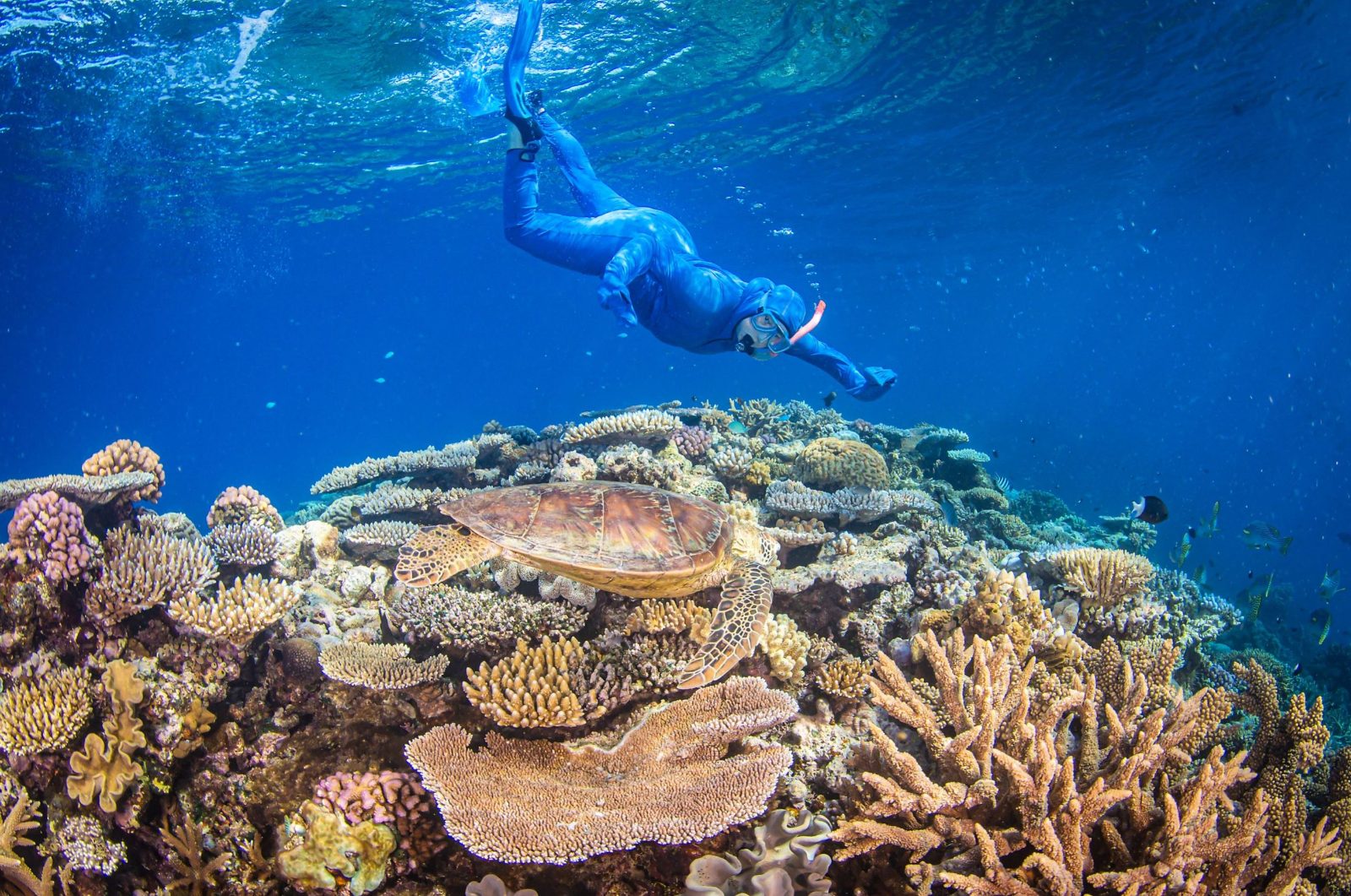
More than 400,000 snorkelers visit the Great Barrier Reef from Cairns each year, yet fewer than thirty vessels hold permits to moor at the outer reef sites where coral density and fish populations remain highest. The majority of tours operate on a pontoon model—large catamarans ferry groups of 100 to 300 passengers to fixed platforms anchored above reef gardens, where guided snorkel circuits last between one and three hours. Smaller operators run fast cats or sailing vessels to Michaelmas Cay, Upolu Cay, or the Low Isles, trading platform amenities for direct beach access and shallower entry points suited to nervous swimmers. Cairns barrier reef snorkeling tours split into three operational tiers. Budget platforms offer unlimited snorkel time, buffet lunch, and wetsuit hire in a single package, with little flexibility on departure or return schedules. Mid-tier operators reduce passenger counts to 60 or 80, add marine biologist-led reef talks, and offer two or three distinct snorkel sites per trip. Premium small-ship charters limit groups to 20 passengers, prioritize outer ribbon reefs over inner platforms, and include underwater cameras or guided dives as standard. Booking windows tighten in the winter dry season—June through September—when schools and international tour groups fill morning slots weeks in advance. Water clarity follows a predictable annual rhythm. October through January brings warmer surface temperatures and nutrient blooms that soften visibility to 10 or 15 meters, while the May-to-September window reliably delivers 20 to 30 meters of horizontal clarity and calmer swell conditions. Stinger nets encircle most platform swim zones from November through May, when box jellyfish drift inshore; full-body stinger suits are standard issue during this period and remain optional the rest of the year. First-time snorkelers benefit from pontoon tours with shallow-entry ladders, flotation noodles, and dedicated snorkel guides who remain in the water throughout each session. Confident swimmers gain more from small-vessel itineraries that access coral bommies, drop-offs, and current-swept channels where pelagic species—turtles, reef sharks, and seasonal manta rays—patrol the deeper margins of the reef system.
“Fewer than thirty vessels hold permits to moor at the outer reef sites where coral density and fish populations remain highest.”
Optimal Timing for Cairns Barrier Reef Snorkeling Tours
The best arrival window for snorkeling tours is 07:00–09:00, as morning departures typically offer calmer water and better visibility. Planning your trip during the dry season helps ensure optimal conditions for in-water activities.
Weekday mornings
Lower visitor numbers—
Morning departures consistently provide the calmest surface conditions for snorkeling.
June to August
ModerateCooler, 19°C–26°C
These months offer comfortable air temperatures and stable, clear water.
September to November
HighWarm, 22°C–30°C
Spring provides reliable sunshine and calm seas before the summer monsoon season begins.
December to March
HighHot and humid, 24°C–32°C
Expect warmer water temperatures, though this period coincides with the tropical wet season.
Verdict: For the best conditions, aim for an arrival window of 07:00–09:00 during the months of September or October.
Understanding Costs for Cairns Barrier Reef Snorkeling Tours
The Great Barrier Reef does not charge an entry fee for visitors. Access for snorkeling is facilitated exclusively through private tour operators, who set their own pricing structures.
While reef access is 0 AUD, visitors pay varying rates to private tour operators depending on the vessel, destination, and included services.
Planning Your Day on Cairns Barrier Reef Snorkeling Tours
Most full-day reef tours follow a similar rhythm, departing Cairns marinas early and returning mid-afternoon. This structure suits snorkelers seeking multiple reef sites and onboard amenities without overnight stays.
Marina Check-In and Departure
Vessels typically board between 7:00 and 8:00 AM at Cairns Reef Fleet Terminal or Marlin Marina. Departure follows a safety briefing and equipment distribution.
First Snorkel Site
The boat reaches outer reef platforms or moored pontoons after 60–90 minutes of cruising. Expect 60–75 minutes in the water exploring coral bommies and schools of tropical fish.
Lunch and Transit
Crew serve a buffet lunch onboard while the vessel repositions to a second site. Use this window to warm up, rehydrate, and prepare gear for the next session.
Second Snorkel Site
A fresh location offers different reef topography—often deeper drop-offs or sheltered lagoons. Plan another 60 minutes of snorkeling before the return journey begins.
Return to Cairns
The vessel docks back at the marina by late afternoon. Rinse stations and changing facilities are available before disembarkation.
Accessing Departure Points for Cairns Barrier Reef Snorkeling Tours
Most snorkeling tours depart from the Cairns Reef Fleet Terminal, located at 1 Spence Street, Cairns, Queensland. It is centrally situated within the city and easily accessible by various transport modes.
Walk via the Cairns Esplanade to Spence Street
Drive via Sheridan Street to Spence Street
Drop-off at Cairns Reef Fleet Terminal
Sunbus services to Cairns City Bus Station
Essential Preparation for Cairns Barrier Reef Snorkeling Tours
Confirm your booking and prepare the following to ensure a safe, comfortable day on the reef.
-
Book your tour in advance — Operators require reservations and may sell out during peak season.
-
Bring sun protection and reef-safe sunscreen — UV exposure is intense on the water, and chemical sunscreens harm coral.
-
Pack swimwear, towel, and change of clothes — You'll be wet for most of the day and need dry clothing afterward.
-
Carry a waterproof bag for valuables — Phones, wallets, and cameras need protection from salt water and spray.
-
Disclose medical conditions when booking — Operators need to know about heart conditions, respiratory issues, or pregnancy for safety.
-
Take motion sickness medication if prone — Boat travel to outer reef sites can be choppy, especially in afternoon wind.
-
Wear a rash vest or wetsuit — Protection from sun, jellyfish, and minor coral scrapes improves comfort significantly.
Check availability
Frequently asked questions about cairns barrier reef snorkeling
Everything you need to know about cairns barrier reef snorkeling tours