

Quick answer
Yes, you can snorkel the Great Barrier Reef in July, and many consider it one of the better months. July falls in the dry season (June through October), delivering calm seas, minimal rainfall, and underwater visibility that regularly reaches 15 to 20 meters. Water temperature averages 22-24°C, cooler than summer but still comfortable with a wetsuit. The Great Barrier Reef Marine Park operates daily from 00:00 to 23:59, with an 8 AUD Environmental Management Charge per person per day.
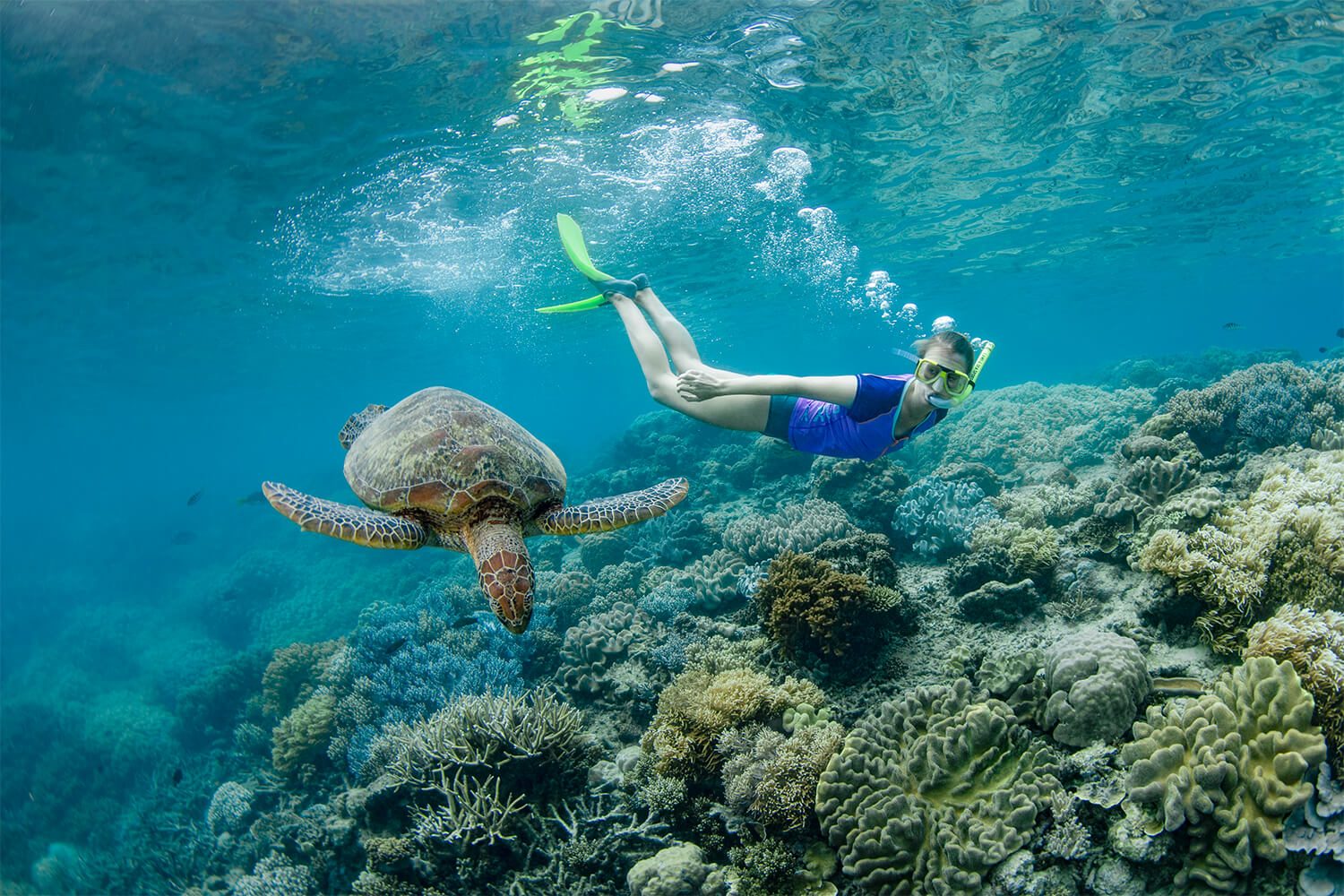
July water temperatures at the Great Barrier Reef hover between 22 and 24 degrees Celsius—the coolest span of the year, but far from prohibitive. A 3mm wetsuit keeps most snorkelers comfortable for multi-hour excursions, and tour operators supply them as standard issue during the winter months. The dry season brings the reef's clearest water. Reduced rainfall means less sediment runoff from coastal rivers, and lighter winds keep surface chop to a minimum. Visibility of 15 to 20 meters is routine on outer reef sites, and some days push beyond 25 meters when conditions align. Morning departures between 08:00 and 10:00 capture the window of lowest wind and best natural light penetration, making coral colors and fish easier to spot without artificial aid. Marine life activity shifts slightly in winter but remains dense. Humpback whales migrate through the Coral Sea from June through August, occasionally visible from dive boats on the transit to snorkel sites. Reef fish populations hold steady year-round—clownfish, parrotfish, Maori wrasse, and reef sharks patrol the same coral gardens in July as they do in January. Sea turtles are less common in cooler months, as some species move to warmer northern waters, but green turtles remain active on many mid-shelf and outer reefs. Cairns and Port Douglas serve as the primary departure points for day trips to snorkel sites on the outer reef. Most operators run daily schedules through winter, with July considered peak season due to the overlap of Australian school holidays and favorable sea conditions. Booking windows tighten from late June through early August. The Great Barrier Reef Marine Park remains accessible every day of the week, with the 8 AUD environmental levy collected per person per day as part of tour pricing. Stinger season—the period when box jellyfish and irukandji inhabit inshore waters—runs from November through May, making July one of the safest months for snorkeling without a full stinger suit. Outer reef sites sit beyond the typical range of dangerous jellyfish, but the winter timing eliminates even residual risk. Tour operators still carry vinegar and first-aid protocols, though stinger incidents in July are virtually unheard of at reef locations beyond the coastal fringe.
“July water temperatures at the Great Barrier Reef hover between 22 and 24 degrees Celsius—the coolest span of the year, but far from prohibitive.”
Can You Snorkel The Great Barrier Reef In July? Seasonal Conditions
July is a prime month for snorkeling the Great Barrier Reef due to the dry season, which offers cooler air temperatures and high water clarity. This period avoids the tropical humidity of summer and typically provides calm sea conditions favored by snorkelers.
July and August
ModerateDry season, 22°C-25°C water. Lower rainfall ensures better underwater visibility for extended sessions.
Weekday mornings
Low—. Best water clarity and lower wind conditions typically occur in the morning.
September to November
Low to moderateWarm, 24°C-26°C water. Transition months offer stable weather before the wet season begins.
Verdict: The best window to visit is July on a weekday morning to take advantage of the dry season visibility and the early arrival window.
Daily Access When You Can Snorkel The Great Barrier Reef In July
The Great Barrier Reef Marine Park remains accessible 24 hours a day throughout the year. While the area is open daily, visitors are encouraged to plan their activities according to environmental conditions.
| Monday | 00:00–23:59 | |
|---|---|---|
| Tuesday | 00:00–23:59 | |
| Wednesday | 00:00–23:59 | |
| Thursday | 00:00–23:59 | |
| Friday | 00:00–23:59 | |
| Saturday | 00:00–23:59 | |
| Sunday | 00:00–23:59 |
Logistics: How To Get There To Snorkel The Great Barrier Reef In July
Access to the Great Barrier Reef Marine Park is provided by commercial vessels departing from the Cairns terminal. Travelers should arrange transport to the Cairns waterfront to meet these boat departures.
Commercial tour vessel from Cairns Marlin Marina
Parking available near Cairns Marlin Marina
Drop-off at Cairns Marlin Marina
Essential Checklist For Can You Snorkel The Great Barrier Reef In July
Prepare for July conditions with these essential steps before your Great Barrier Reef snorkeling trip.
-
Book your tour in advance — July is peak season and operators fill quickly.
-
Pack reef-safe sunscreen SPF 50+ — Australian sun is intense even in winter and chemical sunscreens harm coral.
-
Bring a stinger suit or wetsuit — July water temperatures sit around 23°C and require thermal protection.
-
Confirm morning departure times — Tours typically leave between 08:00–10:00 for optimal water clarity.
-
Pack motion sickness medication — Winter swells can make boat rides choppy in July.
-
Prepare cash for the Environmental Management Charge — The 8 AUD per person fee is collected on the day by most operators.
Check availability
Frequently Asked Questions About Snorkeling in July
Everything you need to know about can you snorkel the great barrier reef in july